The Freedom to Savour Every Bite
For those living with missing teeth or unstable dentures, mealtimes can become a source of anxiety rather than pleasure. The simple joy of biting into a crisp apple, enjoying a perfectly cooked steak, or savouring crunchy toast can feel like distant memories. Dental implants offer a transformative solution that restores not only the appearance of a complete smile but also the fundamental ability to eat with confidence and comfort. Unlike traditional dentures that can slip, slide, or require dietary modifications, implants provide a permanent foundation that functions remarkably like natural teeth.
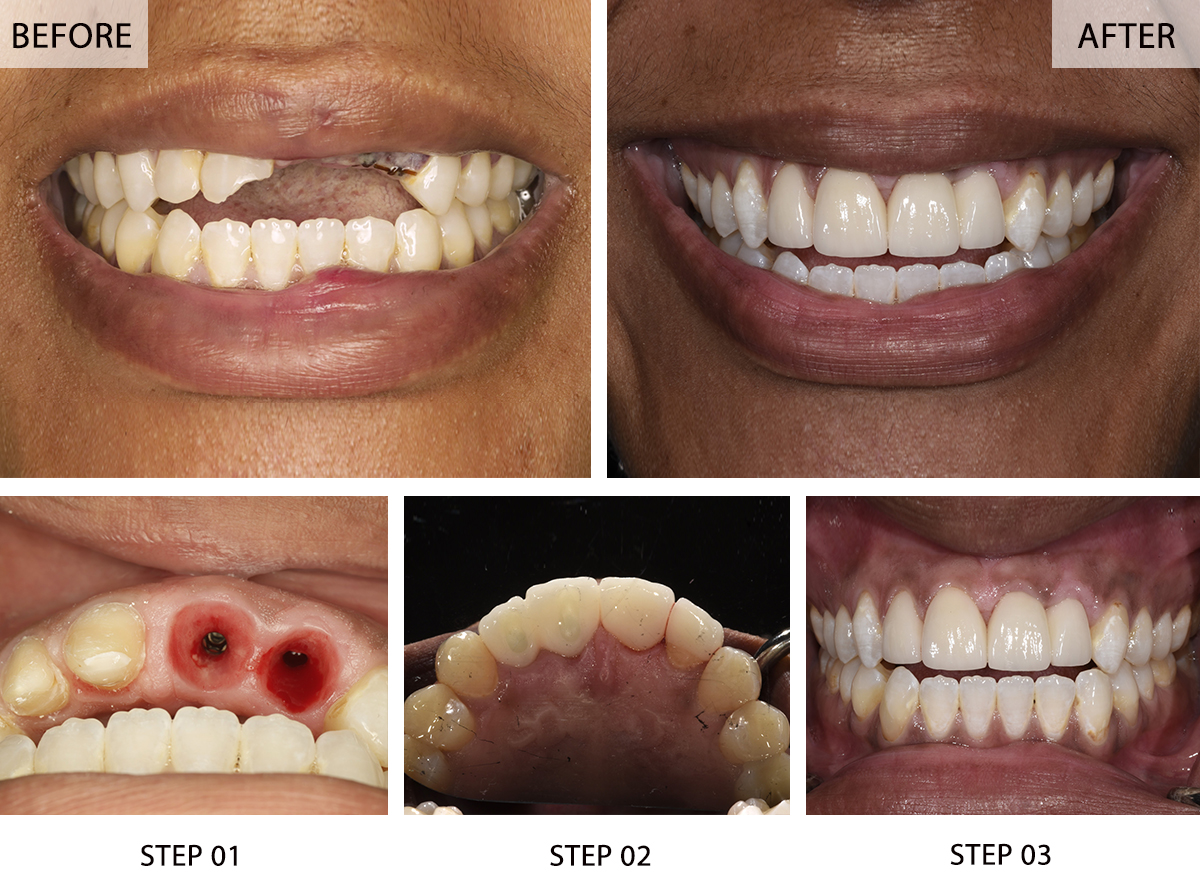
The mechanics behind this freedom are straightforward yet remarkably effective. Dental implants consist of titanium posts surgically placed into the jawbone, which then fuse with the bone through a process called osseointegration. This creates an incredibly stable anchor point for replacement teeth, whether for a single missing tooth or multiple teeth. The result is a restoration that can withstand the same biting forces as natural teeth, typically around 200 pounds per square inch. This strength means patients can return to eating virtually any food they enjoyed before tooth loss, without worrying about damage or displacement.
Understanding the Limitations of Alternative Solutions
Traditional dentures, whilst functional, come with significant dietary restrictions that many wearers find frustrating. Sticky foods like caramel or toffee can dislodge dentures, whilst hard foods such as nuts or crusty bread may cause discomfort or require excessive chewing effort. Many denture wearers report avoiding certain foods in social situations, fearful of embarrassing slippage or clicking sounds. Partial dentures attached with metal clasps can place uneven pressure on remaining teeth, leading to further dental problems over time. The impact of tooth loss on dietary choices extends beyond mere inconvenience, potentially affecting nutritional intake and overall health.
Bridges, whilst more stable than dentures, require the alteration of adjacent healthy teeth to serve as anchor points. This irreversible modification can weaken otherwise sound teeth and may limit the types of foods patients feel comfortable eating. Additionally, the gap beneath a bridge can trap food particles, making certain sticky or fibrous foods problematic. Those considering dental Implants in Winchmore Hill often cite these limitations as primary motivators for seeking a more permanent solution.
The Nutritional Benefits of Unrestricted Eating
The ability to eat without restriction carries implications that extend far beyond simple enjoyment. A varied diet rich in fresh fruits, vegetables, lean proteins, and whole grains forms the cornerstone of good health. When individuals must avoid certain foods due to dental limitations, their nutritional intake often suffers. Crunchy vegetables like carrots and celery, protein-rich foods such as steak or chicken, and fibre-dense whole grains all require effective chewing. Dental implants restore the capacity to consume these essential foods, supporting better overall nutrition and wellbeing.
Research consistently demonstrates that individuals with stable, functional teeth maintain healthier eating patterns than those with compromised dental function. The long-term health advantages of dental implants include improved digestive health, as proper chewing is the first crucial step in the digestive process. When food is thoroughly masticated, the body can more efficiently extract nutrients, leading to better absorption and utilisation of vitamins and minerals.
Social Confidence and Quality of Life
Beyond the physical aspects of eating, dental implants restore the social confidence that often diminishes with tooth loss. Sharing meals with friends and family, attending business lunches, or enjoying romantic dinners become stress-free experiences once again. The psychological burden of worrying about denture slippage or avoiding certain menu items can significantly impact quality of life. With implants, individuals can focus on conversation and connection rather than dental concerns.
The restoration of normal eating patterns also contributes to maintaining facial structure and preventing the bone loss that typically follows tooth extraction. When jawbone receives regular stimulation through chewing, it remains healthy and dense. This preservation of bone structure not only supports the implants themselves but also maintains facial contours, preventing the sunken appearance often associated with long-term tooth loss. The wider wellbeing benefits of dental implants encompass both physical health and emotional satisfaction.
Reclaiming Culinary Freedom
Dental implants represent a significant investment in long-term oral health and quality of life. For those who have spent years modifying their diet or feeling self-conscious about their eating abilities, the transformation can be profound. The return to unrestricted eating is not merely about consuming particular foods but about reclaiming independence, confidence, and the simple pleasure of enjoying meals without limitation or discomfort. This freedom truly allows individuals to savour life’s culinary experiences as nature intended.